Chamomile
Widely recognized in European traditional practices, chamomile has been used in teas and infusions for centuries. It is commonly associated with a sense of calm and is enjoyed as a gentle evening beverage.
Explore how different cultures have approached plant-based wellness traditions throughout history with a focus on education and awareness.
For thousands of years, people across the globe have explored plants and herbs as part of their daily routines. From chamomile in European traditions to turmeric in South Asian cuisine, herbs have been woven into the fabric of cultural wellness practices.
Our goal is to provide balanced, educational content that helps you understand these traditions without making promises or replacing professional guidance.
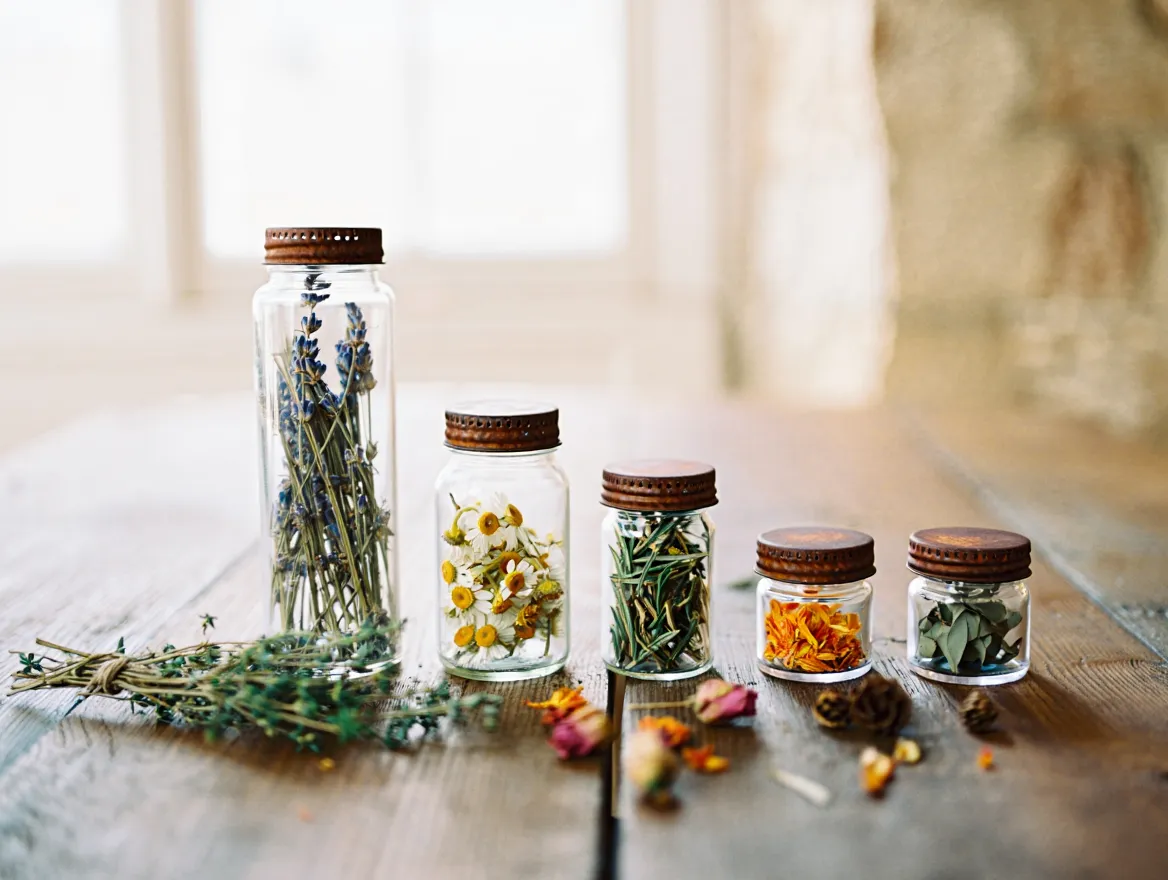
A curated overview of herbs commonly discussed in educational wellness contexts, presented for informational purposes.
Widely recognized in European traditional practices, chamomile has been used in teas and infusions for centuries. It is commonly associated with a sense of calm and is enjoyed as a gentle evening beverage.
A plant native to North America, echinacea has been referenced in various traditional practices. It is widely available as a tea or supplement, and many people discuss it in the context of everyday wellness habits—not as a substitute for medical care.
Used across European folk traditions, elderberry is often prepared as a syrup or tea. It continues to be a popular topic in wellness education and is explored for its rich nutritional profile.
A staple in South Asian culinary and cultural traditions, turmeric is widely used in cooking. Its warm flavor and golden color have made it a frequent subject in wellness discussions around the world.
Used in diverse cultural traditions from East Asia to the Caribbean, ginger is a versatile root enjoyed in teas, cooking, and traditional preparations. It remains a widely discussed topic in wellness education.
Rooted in Ayurvedic tradition, ashwagandha is an herb that has gained interest in modern wellness conversations. It is commonly discussed in the context of stress awareness and daily balance. Always seek professional advice before use.
Practical guidance for approaching herbal wellness education with awareness and responsibility.
Always seek information from reputable educational sources and recognized institutions. Be cautious of exaggerated claims or promises that sound too definitive, and look for balanced perspectives that acknowledge complexity.
Before incorporating any new herb into your routine, especially if you have existing conditions or take other products, speak with a qualified professional. They can provide personalized guidance suited to your unique situation.
Approach herbal exploration with the same balance you bring to other aspects of life. Start gently, pay attention to how you feel, and remember that wellness is a personal journey with no single universal answer.
Interested in learning more about daily practices that complement herbal awareness? Explore our lifestyle habits resources.
Explore Lifestyle HabitsAll materials on this site are for general education only and are not medical advice. They have not been evaluated by the FDA and are not intended to diagnose, treat, cure, or prevent any disease. They do not replace professional medical advice. Consult a qualified health professional before changing medications, supplements, or diet, especially if you are pregnant, nursing, or have a medical condition.